
1904 Pittsburgh Revival
A City Awakened
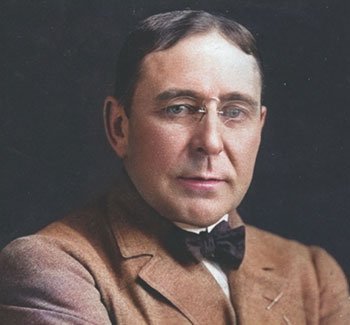
J. W. Chapman directed the Pittsburg “Simultaneous Evangelistic Mission” Revival in Pittsburgh 1904
Historically, the expansion of the Kingdom of God has been driven by powerful outpourings of the Holy Spirit. However, routine church evangelism should never be dismissed as insignificant or merely human effort. Countless structured outreach campaigns have produced extraordinary numbers of converts, transformed local communities, and reignited a passionate fire for evangelism within the church.
The Pittsburgh Revival of 1904 was such an event. It focused on all the elements that are central during revivals: focus on the lost, not the church; persistent prayer; unity amongst believers; impact on the surrounding areas etc.
Although often referred to as a "revival," it was, more accurately, a large-scale evangelistic effort focused on converting the unconverted rather than reviving existing Christians 1. This distinction, unusual for the time, set the Pittsburgh Revival apart from traditional revivals that primarily sought to rekindle the faith of existing church members. Born out of a desire for spiritual renewal and inspired by similar events in other parts of the world, this movement left an indelible mark on Pittsburgh's religious landscape.
This article documents a unique historical model of interdenominational evangelism that successfully brought about widespread spiritual conversion and tangible social change. Unlike traditional revivals that focused primarily on rekindling the faith of existing believers, the 1904 Pittsburgh campaign specifically targeted the unconverted through a coordinated, county-wide "Simultaneous Evangelistic Mission." By uniting over 300 churches across 22 denominations, mobilizing media, and prioritizing united prayer, the movement produced over 6,000 documented conversions and measurable community reforms (such as a sharp decline in alcohol consumption). Its detailed structure and historical outcomes offer practical, inspiring insights into how strategic unity and evangelism can transform a major modern city.
Religious Climate in the United States Prior to 1904
To understand the context of the Pittsburgh Revival, it's essential to examine the religious climate in the United States in the years leading up to 1904. The late 19th and early 20th centuries were a time of significant religious and social change in the nation. The Second Great Awakening, a period of religious revivalism that began in the late 18th century, had profoundly shaped American Protestantism 3. It emphasized personal experience, emotional engagement with faith, and the individual's role in achieving salvation. This emphasis on individual conversion and spiritual renewal continued into the early 20th century, with various denominations actively engaged in evangelistic campaigns and prayer meetings for revival 4.
Growing Anticipation of Revival
By 1904, there was a growing anticipation of a significant outpouring of the Holy Spirit across various denominations. This expectation was likely fueled by a combination of factors, including the lingering influence of the Second Great Awakening, the social and economic changes of the era, and a desire for spiritual meaning in a rapidly modernizing world. The Presbyterians, for instance, noted that "all the land seems to be on the lookout for a great outpouring of the Holy Spirit" 5. The Methodists similarly observed "accumulating evidence of the coming of a general religious revival" 5. This widespread expectation of revival, coupled with active efforts by religious leaders to promote spiritual renewal, created a receptive environment for the events that would unfold in Pittsburgh.
Early Evangelistic Campaigns
Adding to this atmosphere of religious zeal were the evangelistic campaigns conducted by various denominations in the years prior to the Pittsburgh Revival. The Methodists, for example, reported significant success with their evangelistic efforts in 1900, with one notable campaign in Muncie, Indiana, resulting in 2,162 conversions 5. The Presbyterians also actively engaged in evangelism, with 56 evangelists traveling throughout the United States in 1902 5. These campaigns not only contributed to the growing anticipation of revival but also provided a model for organized evangelistic efforts that would be adopted in Pittsburgh.
Antecedents and Inspiration
The Pittsburgh Revival drew direct inspiration from a similar event in Melbourne, Australia, led by evangelist R.A. Torrey in 1903 2. Torrey, a close associate of the renowned evangelist D.L. Moody, employed a "Simultaneous Evangelistic Mission" model, which involved coordinated evangelistic meetings across different locations. This approach aimed to create a widespread impact by simultaneously engaging multiple communities and churches. News of Torrey's success in Melbourne, where his efforts resulted in a significant number of conversions, reached the ministers of Allegheny County, Pennsylvania. They were impressed by the efficiency and effectiveness of this model and decided to implement a similar approach in Pittsburgh.
The "Simultaneous Evangelistic Mission" model proved successful due to several key factors. First, it fostered a sense of unity and collective purpose among participating churches and communities. Second, it allowed for a more focused and concentrated effort, with resources and evangelists strategically deployed across different locations. Third, the simultaneous nature of the meetings created a sense of momentum and excitement, generating greater public interest and participation.
Key Leaders and Churches Involved
The Pittsburgh Revival was a collaborative effort involving various denominations and churches. A total of 22 denominations and 362 churches participated, with over 500 ministers uniting in the endeavor 2. This interdenominational cooperation was a key factor in the revival's success, demonstrating the power of unity in achieving spiritual goals. While no single individual emerged as the face of the revival, J. Wilbur Chapman, a former associate of Torrey, was invited to direct the "Simultaneous Evangelistic Mission" in Pittsburgh 2.
Organization and Structure
The revival's organization involved a finance committee of 15 people and a structured plan for conducting meetings. The meetings began with a two-week campaign in downtown Pittsburgh, followed by week-long meetings in 42 different districts throughout Allegheny County 2. This simultaneous approach, inspired by Torrey's model, aimed to maximize the reach and impact of the evangelistic efforts.
Participating Churches and Organizations
The revival encompassed a diverse range of churches and denominations, reflecting the widespread religious fervor in Pittsburgh at the time. Some of the participating churches and denominations included:
- S. Presbyterian 6
- Walton M.E6.
- Puritan Cong6.
- Union Baptist 6
- Ninth U.P6.
- First Ger. Baptist 6
- Welsh Cong6.
In addition to churches, organizations like the YMCA played a significant role in the revival. The YMCA provided logistical support and facilitated meetings, contributing to the overall organization and reach of the evangelistic efforts 6.
Role of the Media
The media, particularly newspapers, played a crucial role in spreading the news of the revival and generating public interest. Newspapers like The Pittsburg Times reported on the revival's progress, highlighting the growing number of conversions and the impact on the city 2. This media coverage helped to publicize the event and attract larger crowds to the meetings.
Impact on Children and Sabbath Schools
The revival also had a significant impact on children and Sabbath schools. Leaders in Sabbath schools actively engaged in promoting the revival among children, encouraging their participation in religious activities 6. This focus on young people ensured that the revival's message reached across different age groups, contributing to its lasting impact on the community.
Prayers and Practices
While specific prayers used during the revival are not documented in the research material 2, the revival's success can be attributed to several key practices. These included:
- United Prayer Meetings: Churches and homes hosted prayer meetings for the salvation of the unsaved, fostering a sense of unity and collective purpose among participants 2. These meetings often involved extended periods of prayer and seeking the Lord's presence, contributing to the revival's spiritual intensity 7.
- Evangelistic Sermons: Evangelists delivered sermons focused on conversion and spiritual awakening, emphasizing the need for repentance and faith in Jesus Christ 2.
- Public Confession: The revival encouraged public confession of sins, creating an atmosphere of transparency and accountability 2.
- Evangelistic Campaigns: The simultaneous meetings across different districts ensured a widespread reach, bringing the message of the revival to various communities 2.
Personal Testimonies and Conversions
Although specific personal testimonies from the Pittsburgh Revival are not available in the provided research material 2, historical accounts suggest a significant impact on individuals and communities. By February 21, 1904, over 6,000 people had reportedly converted and were in the process of joining churches 2. The revival was marked by a pronounced conviction of sin, often accompanied by public displays of emotion and repentance 2.
Immediate and Lasting Results
The Pittsburgh Revival had both immediate and lasting effects on the city and its religious landscape. Some of the notable outcomes included:
- Increased Church Attendance: The revival led to a surge in church attendance, with people eager to participate in religious services and experience the spiritual awakening firsthand 2.
- Renewed Churches and Members: The revival brought about a renewed sense of purpose and commitment among local churches and their members 2.
- Breakdown of Denominational Barriers: The collaborative nature of the revival helped break down prejudices and foster unity among different denominations 2. This unity had the potential to create lasting bonds between different churches and foster a more cooperative approach to religious life in Pittsburgh.
- Impact on Social Issues: The revival had a positive impact on social issues, with reports of reduced crime and alcohol consumption in the city 2. In April 1904, the liquor trade in Pittsburgh suffered a significant decline, with many establishments forced to close due to violations or denied licenses 2. This suggests that the revival's message of moral reform had a tangible impact on the city's social fabric.
Relationship to Other Revivals
The Pittsburgh Revival occurred within a broader context of religious awakenings in the United States and around the world. It coincided with the Welsh Revival of 1904-1905, a significant religious movement that swept through Wales and had a global impact 9. The Welsh Revival, known for its spontaneous expressions of faith and emphasis on prayer and confession, likely influenced the atmosphere and practices of the Pittsburgh Revival. The connection between the two revivals was further strengthened by the presence of thousands of Welsh immigrants in Pennsylvania who experienced a revival in December 1904, which subsequently spread to Pittsburgh and other cities 5.
Furthermore, the Pittsburgh Revival can be seen as part of a series of religious awakenings that occurred in the United States throughout the 19th and early 20th centuries. These awakenings, characterized by fervent religious zeal and a focus on personal conversion, played a crucial role in shaping American religious life.
Timeline of Events
Based on the available information, a chronological timeline of the Pittsburgh Revival can be constructed as follows:
| Date | Event |
| October 1903 | News of R.A. Torrey's "Simultaneous Evangelistic Mission" in Melbourne, Australia, reaches Allegheny County ministers. |
| Early 1904 | Ministers in Allegheny County plan and organize their own "Simultaneous Evangelistic Mission." |
| February 1904 | J. Wilbur Chapman arrives in Pittsburgh to lead the revival. |
| February 1904 | Two-week evangelistic campaign begins in downtown Pittsburgh. |
| Late February - March 1904 | Week-long meetings are held in 42 districts throughout Allegheny County. |
| February 21, 1904 | Over 6,000 people reported as converted. |
| March - April 1904 | Evangelistic efforts continue in local churches. |
| April 1904 | Revival has a noticeable impact on social issues, including a decline in alcohol consumption. |
Beneficial Takeaways
The Pittsburgh Revival offers several valuable takeaways for contemporary religious life:
- The Power of Unity: The revival demonstrated the impact of interdenominational cooperation and unity in achieving spiritual goals. By bringing together diverse churches and denominations, the Pittsburgh Revival fostered a sense of shared purpose and collective action that amplified the impact of the evangelistic efforts.
- Emphasis on Prayer: The revival highlighted the importance of prayer in preparing for and sustaining spiritual awakening. The emphasis on prayer meetings, both public and private, created an atmosphere of spiritual seeking and dependence on God's power.
- Focus on Conversion: The revival's emphasis on converting the unconverted serves as a reminder of the church's mission to reach those outside the faith. By prioritizing evangelism and outreach, the Pittsburgh Revival brought a significant number of new people into the Christian faith.
- Public Expression of Faith: The revival encouraged public confession and displays of emotion, demonstrating the power of authentic religious experience. This public expression of faith created a sense of shared experience and mutual encouragement among participants.
- Social Impact of Revival: The revival's positive influence on social issues underscores the potential for religious movements to bring about societal change. The reported decline in alcohol consumption and crime suggests that the revival's message of moral reform had a tangible impact on the community.
Conclusion
The Pittsburgh Revival of 1904 stands as a testament to the enduring power of religious fervor and the impact of organized evangelistic efforts. While it may not have been a "revival" in the strictest sense of the word, it undoubtedly brought about a spiritual awakening in Pittsburgh, leading to numerous conversions, renewed religious commitment, and positive social change 2. Its legacy continues to inspire and inform contemporary religious movements, reminding us of the transformative potential of faith and the importance of unity, prayer, and evangelism in fulfilling the church's mission. The revival's innovative focus on converting the unconverted, its collaborative approach involving diverse churches and organizations, and its tangible impact on social issues offer valuable lessons for contemporary religious leaders seeking to promote spiritual renewal and societal transformation.
Works cited
- romans1015.com, accessed on December 18, 2024, https://romans1015.com/pittsburg-revival/#:~:text=The%20evangelistic%20ministry%20that%20occurred,or%20The%20Church%20at%20large.
- 1904 Pittsburg Revival - BEAUTIFUL FEET, accessed on December 18, 2024, https://romans1015.com/pittsburg-revival/
- Religion in America | United States History I - Lumen Learning, accessed on December 18, 2024, https://courses.lumenlearning.com/wm-ushistory1/chapter/religion-in-america/
- Timelines | US Religion, accessed on December 18, 2024, https://www.thearda.com/us-religion/history/timelines?tid=2&tab=3
- 1905 American Revival - BEAUTIFUL FEET, accessed on December 18, 2024, https://romans1015.com/1905-american-revival/
- The Pittsburg revival : a history of God's gracious visitation of Allegheny County in the winter of 1904 - Log College Press, accessed on December 18, 2024, https://caleb-cangelosi-437x.squarespace.com/s/Jolly-Austin-Howell-The-Pittsburg-Revival.pdf
- History & Heritage: The 1904 Welsh Revival – BCW - The Bible College of Wales, accessed on December 18, 2024, https://www.bcwales.org/1904-welsh-revival
- The Pittsburg Revival: A History of God's Gracious Visitation of ..., accessed on December 18, 2024, https://www.amazon.com/Pittsburg-Revival-Visitation-Allegheny-Evangelistic/dp/0282089691
- 1904–1905 Welsh revival - Wikipedia, accessed on December 18, 2024, https://en.wikipedia.org/wiki/1904%E2%80]1905_Welsh_revival