

1906 Azusa Street Revival

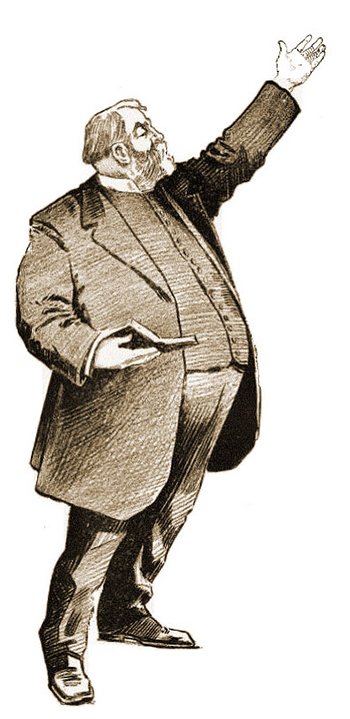
Frank Bartleman
The Azusa Street Revival was a pivotal moment in the history of Pentecostalism, igniting a global movement that continues to this day1. This revival, which began in Los Angeles in 1906, was characterized by spiritual fervour, interracial unity, and a focus on the experiential aspects of faith, including speaking in tongues, divine healing, and prophecy. This report will delve into the history of the Azusa Street Revival, exploring its antecedents, key figures, and lasting impact on Christianity.
The Religious Landscape Before the Revival
To understand the significance of the Azusa Street Revival, it's crucial to examine the religious landscape of the United States in the early 20th century. At this time, the nation was predominantly Protestant, with various denominations vying for influence2. The mainline Protestant churches, such as Methodists, Presbyterians, and Baptists, held significant sway in American society and culture3.
However, there was also a growing interest in the Holiness movement, which emphasized personal sanctification and a deeper experience of faith4. This movement laid the groundwork for the emergence of Pentecostalism4 which would find its most potent expression in the Azusa Street Revival.
The late 19th and early 20th centuries witnessed a surge in religious movements in the United States5. These movements often reflected the social and cultural changes of the time, including the influx of immigrants and the rise of industrialization. The Holiness movement, with its emphasis on spiritual experience and social reform, resonated with many Americans seeking a more meaningful and authentic faith4.
The desire for a more direct and personal experience of God, coupled with the social upheavals of the time, created a fertile ground for the emergence of a new form of Christianity that emphasized the power of the Holy Spirit6.
Antecedents of the Revival
The Azusa Street Revival was part of a larger wave of religious awakenings that occurred in the late 19th and early 20th centuries7. These revivals, which took place in various parts of the world, including Wales, the United States, and Europe, shared a common emphasis on spiritual experience and a renewed focus on the power of the Holy Spirit7.
In the United States, revivals were taking place in Minnesota, North Carolina, and Texas, characterized by spiritual manifestations such as healings, life transformations, and speaking in tongues7.
One significant antecedent to the Azusa Street Revival was the Welsh Revival of 1904-19058. This revival saw widespread conversions and a renewed emphasis on spiritual experience, particularly the gifts of the Holy Spirit8. News of the Welsh Revival spread rapidly, inspiring Christians around the world to pray for a similar outpouring in their own communities8.
In Los Angeles, Frank Bartleman, a journalist and Holiness preacher, corresponded with Evan Roberts, the leader of the Welsh Revival, requesting prayers for a similar awakening in California9. Roberts responded with a prayer for God to "save California," which Bartleman believed contributed to the subsequent outpouring at Azusa Street9.
Another crucial figure in the lead-up to the revival was Charles Parham, a Holiness preacher who began teaching that speaking in tongues was the biblical evidence of the baptism in the Holy Spirit10. Parham's teachings had a profound influence on William J. Seymour, an African American preacher who would become the leader of the Azusa Street Revival10.
The Spark that Ignited the Flame: Azusa Street
In 1906, William J. Seymour arrived in Los Angeles from Houston, Texas, to preach at a local church11. However, his views on the baptism in the Holy Spirit, which he had learned from Charles Parham, were met with resistance from the church elders. Seymour was barred from preaching at the church, but he continued his ministry in the homes of those who were receptive to his message.
On April 9, 1906, during a prayer meeting at the home of Richard Asberry, Seymour and several others began to speak in tongues12. This event marked the beginning of the Azusa Street Revival. As news of the revival spread, people from diverse backgrounds flocked to the Asberry home, and the meetings soon outgrew the space.
To accommodate the growing crowds, the revival moved to an abandoned African Methodist Episcopal church building at 312 Azusa Street13. This dilapidated building, which had previously served as a stable and warehouse, became the epicentre of a remarkable spiritual awakening14.
Prayers and Practices
The Azusa Street Revival was characterized by fervent prayer, spontaneous worship, and a strong emphasis on the experiential aspects of faith15. Meetings were often unstructured, with participants engaging in prayer, singing, testimonies, and preaching as they felt led by the Holy Spirit15.
Seymour, despite being the leader of the revival, sought to deflect attention from himself and emphasized the leadership of the Holy Spirit15. He was known to place his head in a box during services to ensure that the focus remained on God15. This humility and reliance on the Holy Spirit were defining characteristics of the revival, setting it apart from many other religious movements of the time16.
Seymour preached that men and women needed to be first converted, then sanctified, and then filled with God's Spirit (another term for the baptism of the Holy Spirit)17. He frequently preached on the cleansing of sin through the blood of Jesus, the return of Christ, and unity17.
Worship at Azusa Street often involved extended periods of silence, where participants would wait on the Lord and seek His guidance14. There were also instances of people being "slain in the Spirit," a phenomenon where individuals would fall to the ground under the power of the Holy Spirit14.
Prayer in tongues was a common practice, with participants praying for the sick, for missionaries, and for various other needs14. One observer at the revival described the scene: "Proud, well-dressed preachers come in to 'investigate.' Soon their high looks are replaced with wonder, then conviction…18
The revival also challenged social norms by encouraging women in leadership roles14. This was particularly significant in 1906, during the Jim Crow era of racial segregation, when women were largely excluded from positions of authority in both society and the church14.
Personal Testimonies and Spiritual Encounters
The Azusa Street Revival was marked by numerous personal testimonies of conversion, healing, and spiritual transformation19. Participants spoke of being delivered from addictions, healed from illnesses, and experiencing a profound sense of God's presence19. These testimonies served as powerful evidence of the revival's impact on individual lives.
One woman, Sister Maddie, testified to being healed of deafness after years of suffering19. She shared, "Yes, I received healing. I was deaf, and God healed me, and now I can hear... That's been around 70 years ago." 19 Another participant, Brother Lawrence, shared his experience of being healed from tuberculosis through prayer at the Azusa Mission19.
He recounted, "I had what we call TB in those days... and I heard that uh there was a place uptown called Azusa Mission where they prayed for people and they got well... and through the laying on of hands and the prayer, God delivered me from that TB." 19 These testimonies, along with countless others, contributed to the growing excitement and fervor surrounding the revival.
Immediate and Lasting Results
The Azusa Street Revival had a profound and lasting impact on Christianity. It is estimated that thousands of people were converted during the revival, and its influence quickly spread beyond Los Angeles17. By the end of 1906, the revival had reached Norway, and in the following years, it spread to Germany, Italy, Holland, and South Africa20.
One of the most significant outcomes of the Azusa Street Revival was the birth of the modern Pentecostal movement1. The revival's emphasis on the baptism in the Holy Spirit, speaking in tongues, and spiritual gifts laid the foundation for Pentecostal theology and practice1. Numerous Pentecostal denominations, including the Assemblies of God and the Church of God in Christ, trace their origins to the Azusa Street Revival1.
The revival also had a lasting impact on worship practices within various Christian communities21. The emphasis on spontaneous prayer, expressive worship, and spiritual gifts found its way into many churches, even those outside of the Pentecostal tradition21.
The Apostolic Faith newspaper, published by Seymour and Clara Lum, played a crucial role in spreading the revival's message8. Distributed free of charge, the newspaper reached thousands of ministers and laypersons in the United States and overseas, further fueling the growth of Pentecostalism8.
Criticisms and Controversies
Despite its widespread impact, the Azusa Street Revival was not without its critics. Some secular media outlets and Christian theologians criticized the revival for its emotionalism and unorthodox practices14. One newspaper article described the revival as "meetings in a tumble-down shack on Azusa Street," where "the devotees of the weird doctrine practice the most fanatical rites, preach the wildest theories and work themselves into a state of mad excitement in their peculiar zeal." 14
Even within the Pentecostal movement, there were disagreements and controversies. Charles Parham, Seymour's former teacher, expressed disapproval of the interracial mixing and the perceived lack of order at Azusa Street18. This led to a rift between Parham and Seymour, highlighting the tensions and challenges that emerged as the revival gained momentum18.
Relationship to Other Revivals
The Azusa Street Revival was part of a larger wave of religious awakenings that occurred in the late 19th and early 20th centuries7. These revivals, which took place in various parts of the world, including Wales, the United States, and Europe, shared a common emphasis on spiritual experience and a renewed focus on the power of the Holy Spirit7.
The Welsh Revival, in particular, had a direct influence on the Azusa Street Revival22. Frank Bartleman's correspondence with Evan Roberts and the subsequent prayers for revival in California highlight the interconnectedness of these spiritual awakenings22. However, the Azusa Street Revival developed its own unique characteristics, particularly its interracial nature and its emphasis on spiritual experience14. Unlike many other revivals of the time, Azusa Street welcomed people from all racial and social backgrounds, creating a truly diverse and inclusive spiritual community14.
Scholarly and Historical Accounts
The Azusa Street Revival has been the subject of numerous scholarly articles and historical accounts23. These works provide valuable insights into the revival's origins, key figures, and lasting impact. Historians recognize the Azusa Street Revival as a pivotal moment in the history of Pentecostalism, and its influence continues to be studied and debated11.
Timeline of Events
| Date | Event | Significance |
| 1904-1905 | Welsh Revival | Sparks widespread interest in spiritual awakening and lays the groundwork for the Azusa Street Revival. |
| February 1906 | William J. Seymour arrives in Los Angeles | Seymour brings his teachings on the baptism in the Holy Spirit to Los Angeles. |
| April 9, 1906 | Outpouring of the Holy Spirit at the Asberry home | This event marks the beginning of the Azusa Street Revival. |
| April 1906 | Revival moves to 312 Azusa Street | The abandoned church building becomes the center of the revival. |
| September 1906 | First issue of The Apostolic Faith newspaper | The newspaper helps spread the revival's message and contributes to the growth of Pentecostalism. |
| 1906-1915 | Azusa Street Revival | The revival continues for several years, drawing people from diverse backgrounds and spreading its influence worldwide. |
| Late 1906 | Revival reaches Norway | The revival's influence begins to spread internationally. |
| 1907 | Revival spreads to Germany, Italy, Holland, and South Africa | Pentecostalism gains momentum globally. |
Conclusion: Beneficial Takeaways
The Azusa Street Revival stands as a testament to the transformative power of religious experience. It ignited a global movement that continues to shape Christianity today. The revival's emphasis on spiritual empowerment, interracial unity, and the experiential aspects of faith offers valuable lessons for Christians in the 21st century.
The revival's widespread appeal can be attributed, in part, to the social and religious context of the time4. The desire for a more personal and experiential faith, coupled with the social upheavals of the early 20th century, created a fertile ground for the emergence of a new form of Christianity that emphasized the power of the Holy Spirit6.
The Azusa Street Revival also highlighted the unique aspects of Pentecostalism compared to other revivals of the time14. Its interracial nature and its emphasis on spiritual experience set it apart from many other religious movements7. The revival demonstrated the unifying power of faith across cultural and social divides, creating a truly diverse and inclusive spiritual community14.
Furthermore, the revival's emphasis on humility and reliance on the Holy Spirit has long-term implications for contemporary Christianity15. Seymour's example of deflecting attention from himself and emphasizing the leadership of the Holy Spirit provides a model for Christian leaders today16. The revival reminds us that true spiritual power comes not from human effort or charisma, but from surrendering to the work of the Holy Spirit16.
The Azusa Street Revival remains a source of inspiration and challenge for Christians today. It reminds us of the importance of seeking a deeper experience of faith, embracing diversity, and relying on the power of the Holy Spirit to bring about transformation in our lives and communities.
Works cited
- Azusa Street Revival - Video Bible, accessed on December 18, 2024, https://www.videobible.com/azusa-street-revival
- Religion in the United States - Wikipedia, accessed on December 18, 2024, https://en.wikipedia.org/wiki/Religion_in_the_United_States
- History of religion in the United States - Wikipedia, accessed on December 18, 2024, https://en.wikipedia.org/wiki/History_of_religion_in_the_United_States
- Timelines | US Religion, accessed on December 18, 2024, https://www.thearda.com/us-religion/history/timelines?tid=2&tab=3
- List of religious movements that began in the United States - Wikipedia, accessed on December 18, 2024, https://en.wikipedia.org/wiki/List_of_religious_movements_that_began_in_the_United_States
- The influence of Azusa Street Revival in the early developments of the Apostolic Faith Mission of South Africa - SciELO SA, accessed on December 18, 2024, https://scielo.org.za/scielo.php?script=sci_arttext&pid=S0256-95072016000300006
- azusa - Louis F Morgan, accessed on December 18, 2024, http://www.louismorgan.info/azusa.html
- William J. Seymour and the Azusa Street Revival - Assemblies of God, accessed on December 18, 2024, https://news.ag.org/en/article-repository/news/1999/04/william-j-seymour-and-the-azusa-street-revival
- 1906 Azusa Street Revival | Revival Library, accessed on December 18, 2024, https://revival-library.org/histories/1906-azusa-street-revival/
- Parham, Charles Fox (1873-1929) | History of Missiology - Boston University, accessed on December 18, 2024, https://www.bu.edu/missiology/missionary-biography/n-o-p-q/parham-charles-fox-1873-1929/
- Azusa Street Revival - Wikipedia, accessed on December 18, 2024, https://en.wikipedia.org/wiki/Azusa_Street_Revival
- The Outpouring of the Holy Ghost at Azusa Street Mission - A Fresh Start Online, accessed on December 18, 2024, http://www.revempete.us/research/holiness/azusa.html
- Azusa Street Revival (1906-1909) • - Blackpast, accessed on December 18, 2024, https://www.blackpast.org/african-american-history/azusa-street-revival-1906-1909/
- The Azusa Street Revival -1906-1908 - Apostolic Archives International, accessed on December 18, 2024, https://www.apostolicarchives.com/articles/article/8801925/173190.htm
- What was the Azusa Street Revival? - Christian Union America, accessed on December 18, 2024, https://www.cuamerica.org/azusa
- Azusa Street and the Lost Doctrine of Humility - Digital Showcase, accessed on December 18, 2024, https://digitalshowcase.oru.edu/cgi/viewcontent.cgi?article=1244&context=spiritus
- The Azusa Revival | Zion Christian Ministry, accessed on December 18, 2024, https://www.zionchristianministry.com/azusa/the-azusa-street-revival/
- Azusa Street commentary and excerpts | Christian History Magazine, accessed on December 18, 2024, https://christianhistoryinstitute.org/magazine/article/ch153-Azusa-commentary
- RARE Eyewitness Interviews of the Azusa Street Revival - YouTube, accessed on December 18, 2024, https://www.youtube.com/watch?v=MZppdv3WBv0
- An Overview of the Azusa Street Revival | Zion Christian Ministry, accessed on December 18, 2024, https://www.zionchristianministry.com/azusa/an-overview-of-the-azusa-street-revival/
- Azusa Street Revival - (Religions of the West) - Vocab, Definition, Explanations | Fiveable, accessed on December 18, 2024, https://fiveable.me/key-terms/religions-of-the-west/azusa-street-revival
- Controversial Revival, Part I - Global Awakening, accessed on December 18, 2024, https://globalawakening.com/controversial-revival-part-i/
- The Scandinavian Mission of the Azusa Street Revival of Los Angeles, 1907–1913 - Project MUSE, accessed on December 18, 2024, https://muse.jhu.edu/article/935677/summary