
1905 American Revival
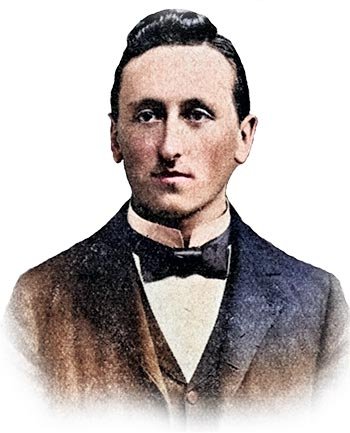
Frank Baertleman
The American Revival of 1905 was a period of widespread religious fervour that swept across the United States, leaving a lasting impact on the religious landscape of the nation. While less known than other revivals with prominent figures attached to them 1, the 1905 Revival stands out for its spontaneous and widespread nature, touching countless lives and communities.
This report delves into the history of this remarkable event, exploring its origins, key characteristics, and lasting consequences.
The Religious Landscape Before the Revival
To understand the significance of the 1905 American Revival, it is essential to examine the state of religion in the nation prior to its occurrence. The late 19th and early 20th centuries were a time of significant social and cultural change in the United States.
Industrialization, urbanization, and immigration were transforming society, leading to new challenges and anxieties2. In the realm of religion, evangelical Protestantism held a dominant position, shaping the views of the majority of Americans2.
The Second Great Awakening, a wave of religious fervor that began in the late 18th century, had profoundly impacted American religious life, emphasizing personal salvation and emotional religious experiences2.
By the early 1900s, there was a growing sense of anticipation for another great awakening. Various denominations were actively engaged in evangelistic campaigns and initiatives aimed at promoting religious revival1.
The Methodists, for instance, reported significant growth in conversions through their evangelistic efforts1. Presbyterians also had a network of pastors dedicated to praying for revival1. Despite these efforts, however, no significant nationwide revival had taken place until the news of the Welsh Revival of 1904-1905 reached American shores1.
The Spark that Ignited the Revival
The Welsh Revival of 1904-1905 played a pivotal role in igniting the American Revival. News of the dramatic religious awakening in Wales, with its emphasis on prayer, confession, and spiritual transformation, quickly spread to the United States1.
This news sparked a renewed sense of hope and anticipation for a similar outpouring of the Holy Spirit in America1.
The impact of the Welsh Revival was particularly evident among Welsh immigrants in Pennsylvania. In December 1904, just one month after the start of the Welsh Revival, a revival began in Wilkes-Barre, Pennsylvania, among Welsh immigrants1.
The revival quickly spread to other towns and cities in Pennsylvania, with reports of thousands of converts1. By early spring 1905, the Methodists in Philadelphia alone reported 10,000 converts, the largest number since 18801.
Furthermore, the 1905 American Revival, unlike earlier revivals that relied on powerful preaching, was characterized by a greater emphasis on music and alleged supernatural phenomena, similar to the Welsh Revival3. This highlights a shift in the characteristics of religious revivals during this period.
Key Leaders and Churches Involved
Unlike some revivals with a single prominent leader, the 1905 American Revival was characterized by a more decentralized and spontaneous nature1. While there was no single figurehead, several individuals and churches played significant roles in the spread and impact of the revival.
One notable figure was Joseph Smale, the pastor of the First Baptist Church of Los Angeles4. Smale had visited Wales during the Welsh Revival and returned to Los Angeles with a renewed passion for revival in America4.
He preached on the revival based on Acts 2:15-17, and his sermons and leadership contributed to the growth of the revival in Los Angeles, which would later become a major center of Pentecostalism in the United States4.
Another key figure was Frank Bartleman, a Pentecostal preacher who tirelessly promoted revival and documented the events as they transpired4. Bartleman's journalistic skills and commitment to the movement provide valuable insights into the events and experiences of the revival4.
The revival spread to various churches and communities across the nation. In Schenectady, New York, the local Ministerial Association, inspired by the Welsh Revival, united all evangelical denominations in prayer meetings and evangelistic rallies5. By January 1905, churches in Schenectady were filled with people seeking spiritual renewal5.
In Troy, New York, the revival began during a week of prayer at the Second Presbyterian Church and quickly spread to other churches in the city5. The revival in Troy involved various denominations, including Baptists, Methodists, and Presbyterians5.
Prayers and Practices that Fuelled the Revival
Prayer was a central element of the 1905 American Revival. Inspired by the Welsh Revival, prayer meetings multiplied across the nation1. In Atlanta, Georgia, businesses, courts, and even bars closed for people to attend noon prayer meetings1.
The famous editor Horace Greeley even sent a reporter to these meetings, who counted 6,100 men in attendance in just one hour6. Similar prayer gatherings took place in cities and towns throughout the country1.
In addition to prayer, the revival was characterized by a focus on confession of sin, repentance, and seeking a deeper relationship with God5. There was a renewed emphasis on personal holiness and spiritual transformation5.
Personal Testimonies and Spiritual Encounters
The 1905 American Revival was marked by numerous personal testimonies of conversions and spiritual encounters. People from all walks of life shared their experiences of encountering God's presence, finding forgiveness, and experiencing a renewed sense of purpose7.
Many people in this era believed that the Bible contained the mind and will of God and should be read, believed, and fulfilled7. They also believed in one God existing in three persons: the Father, the Son, and the Holy Ghost7.
Immediate and Lasting Results
The 1905 American Revival had a significant impact on the religious landscape of the United States. Church membership increased dramatically across various denominations1. In Los Angeles, 100 churches united for an evangelistic campaign, drawing over 180,000 attendees and resulting in 4,264 people converting1.
| Denomination | 1905 Increase | 1906 Increase |
| Methodists | 102,000 | 117,000 |
| Baptists | 72,667 | 93,152 |
| Lutherans | 51,580 | 116,087 |
| Presbyterians | 18,803 | 48,006 |
| Disciples | 15,000 | 29,464 |
| Episcopalians | 19,203 | 19,365 |
The revival also had a profound impact on Sunday schools, universities, and colleges1. Sunday schools were revitalized, and revivals were experienced on numerous college campuses1. By mid-1905, 5,495 college campus ministries had been started1.
The revival's impact extended beyond church membership and religious institutions. There were reports of decreased crime rates and improved social conditions in some communities8.
In Atlantic City, New Jersey, it was reported that only 50 unconverted people could be found in the city, which had a population of 60,000 at that time1.
In the West, the revival had a significant impact as well. United meetings attracted an attendance of 180,000, and the Grand Opera House was filled at midnight with people seeking salvation9.
Context and Relationship to Other Revivals
The 1905 American Revival was part of a larger wave of religious awakenings that occurred around the world in the late 19th and early 20th centuries3. The Welsh Revival of 1904-1905 served as a catalyst for revivals in several other countries, including the United States3.
The 1905 Revival also had connections to earlier revivals in American history, such as the First and Second Great Awakenings2. Like these earlier revivals, the 1905 Revival emphasized personal conversion, emotional religious experiences, and social reform2.
The impact of the Welsh Revival extended beyond the United States. In India, a revival broke out among a girls' home, with reports of tongues, visions, and raptures10. In Chile, the pastor of the Jotabeche Methodist Church in Santiago, inspired by the Welsh Revival and events in India, called for prayer and fasting, leading to an outpouring of the Holy Spirit in his church10.
The 1905 Revival played a significant role in nurturing British Pentecostalism and the emergence of the Azusa Street Revival, which in turn shaped modern Pentecostalism and became a driving force for global evangelism in the 20th century11.
The Azusa Street Revival, led by African American preacher William J. Seymour, began in Los Angeles in 1906 and was heavily influenced by the 1905 Revival and the Welsh Revival12.
Scholarly Perspectives on the Revival
Scholars have examined the 1905 American Revival from various perspectives, exploring its connection to social and political movements of the time. Some scholars have linked the revival to the Progressive movement, suggesting that the revival's emphasis on social reform and moral renewal aligned with the goals of Progressive reformers13.
Others have highlighted the revival's impact on civic engagement and political activism, noting that the revival contributed to a renewed focus on addressing social issues and promoting ethical behavior in public life14.
Chronological Timeline and Analysis
| Date | Event | Significance |
| December 1904 | Revival begins in Wilkes-Barre, Pennsylvania | Marks the beginning of the 1905 American Revival, sparked by the Welsh Revival. |
| Early Spring 1905 | 10,000 converts reported among Methodists in Philadelphia | Demonstrates the rapid spread and impact of the revival. |
| Spring 1905 | Revival spreads throughout New England | Shows the widespread nature of the revival, reaching various communities. |
| Mid-1905 | 5,495 college campus ministries started | Highlights the revival's impact on young people and universities. |
| Late 1905 | Significant increase in church membership across denominations | Shows the lasting impact of the revival on religious institutions. |
The 1905 American Revival was a significant event in American religious history. It demonstrated the power of prayer, the importance of personal conversion, and the potential for religious revival to bring about positive social change. The revival's emphasis on spiritual renewal and personal transformation left a lasting legacy on American Christianity.
Beneficial Takeaways
The 1905 American Revival offers several valuable lessons for contemporary Christians:
- The Importance of Prayer: The revival highlighted the power of united prayer in bringing about spiritual awakening. The widespread prayer meetings, such as those in Atlanta where businesses closed for prayer 1, and the united prayer efforts in Schenectady 5, demonstrate the crucial role of prayer in fueling the revival.
- The Need for Personal Conversion: The revival emphasized the importance of individual repentance and seeking a deeper relationship with God. The focus on confession of sin and spiritual transformation 5 underscores the revival's emphasis on personal commitment to faith.
- The Potential for Social Transformation: The revival demonstrated that religious awakenings can lead to positive social change and community renewal. Reports of decreased crime rates and improved social conditions 8 suggest that the revival had a tangible impact on society.
- The Contagious Nature of Revival: The revival showed how religious fervor can spread rapidly and impact diverse communities. From the Welsh immigrants in Pennsylvania to the united meetings in the West 9, the revival demonstrated its ability to transcend geographical and cultural boundaries.
The 1905 American Revival serves as a reminder of the transformative power of the Holy Spirit and the potential for religious revival to bring about individual and societal renewal. It stands as a testament to the enduring power of faith and the possibility of spiritual awakening in times of social and cultural change.
The revival's legacy continues to inspire and challenge Christians today, reminding them of the importance of prayer, personal conversion, and social responsibility.
Works cited
- 1905 American Revival - BEAUTIFUL FEETBEAUTIFUL FEET, accessed on December 18, 2024, https://romans1015.com/1905-american-revival/
- Religion in America | United States History I - Lumen Learning, accessed on December 18, 2024, https://courses.lumenlearning.com/wm-ushistory1/chapter/religion-in-america/
- 1904–1905 Welsh revival - Wikipedia, accessed on December 18, 2024, https://en.wikipedia.org/wiki/1904%E2%80]1905_Welsh_revival
- 1906-1909 Azusa Street Revival - BEAUTIFUL FEET, accessed on December 18, 2024, https://romans1015.com/1906-azusa/
- A Brief History of Spiritual Revival and Awakening in America, accessed on December 18, 2024, https://pastorvlad.org/awakening/
- Throwback Thursday: Prayer that Brought Revival | Christian Union, accessed on December 18, 2024, https://www.christianunion.org/the-magazine/2042-prayer-that-brought-revival
- United States Revival History - The Birth Of A Nation - Debbie Rich Ministries, accessed on December 18, 2024, https://www.debbierichministries.org/blog/2015/7/1/united-states-revival-history-birth-of-a-nation.html
- The American Revival of 1905 | Desiring God, accessed on December 18, 2024, https://www.desiringgod.org/articles/the-american-revival-of-1905
- A Decade of Revival—1900-1910 - Think Life Change, accessed on December 18, 2024, https://thinklifechange.com/a-decade-of-revival-1900-1910/
- Controversial Revival, Part I - Global Awakening, accessed on December 18, 2024, https://globalawakening.com/controversial-revival-part-i/
- The Legacy of The Welsh Revival 1904-1905 - Methodist Evangelicals Together, accessed on December 18, 2024, https://www.methodistevangelicals.org.uk/Articles/523541/The_Legacy_of.aspx
- Azusa Street Revival - Wikipedia, accessed on December 18, 2024, https://en.wikipedia.org/wiki/Azusa_Street_Revival
- "Onward Christian Soldiers": Philadelphia's Revival of 1905 - Journals, accessed on December 18, 2024, https://journals.psu.edu/pmhb/article/download/44927/44648
- Awakening of 1905 in North America | Revival Library, accessed on December 18, 2024, https://revival-library.org/edwin-orr/awakening-of-1905-in-north-america/