
1909 Chile Pentecostal Revival
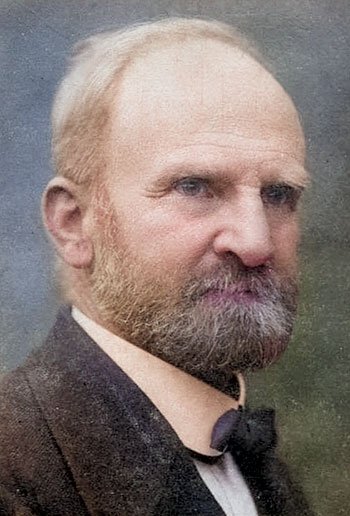
Willis Hoover
The 1909 Chile Revival was a significant religious awakening that ignited the Pentecostal movement in Chile, leaving an enduring legacy on the religious landscape of the country. This revival, sparked within the Methodist Episcopal Church in Valparaiso, spread like wildfire throughout Chile, transforming lives and giving rise to one of the largest Pentecostal movements in the world.
This article researches the history of this remarkable revival, exploring its antecedents, key figures, unique characteristics, and lasting impact.
The Religious Landscape of Chile Before the Revival
Before the arrival of European colonizers in the 16th century, the indigenous peoples of Chile practiced a variety of religions. With the Spanish conquest, Catholicism became the dominant religion, maintaining a strong influence over Chilean society for centuries1.
In the late 19th century, liberal policies, known as the "lay laws," aimed to reduce the Church's power, culminating in the constitutional separation of church and state in 19252. Despite these changes, Catholicism remained the most widely professed religion in Chile at the turn of the 20th century1.
Protestantism had a limited presence in Chile before the 1909 revival. The first Protestant missionary, James Thomson, a Scottish Baptist minister, arrived in 1821 at the invitation of Bernardo O'Higgins, Chile's first supreme director3.
However, with O'Higgins' exile in 1823, Thomson left the country, and Protestantism faced legal restrictions3. It wasn't until 1865 that Protestant denominations gained more freedom to operate3. This historical context is crucial for understanding the significance of the 1909 revival, which marked a turning point for Protestantism in Chile.
Seeds of Revival: Antecedents and Early Influences
The 1909 Chile Revival didn't emerge in a vacuum. Several factors contributed to the spiritual climate that made this awakening possible.
Early Revival Stirrings Within the Methodist Episcopal Church
In 1902, a revival swept through the Methodist Episcopal churches in Chile, resulting in significant growth, particularly in Valparaiso under the leadership of Rev. Dr. Willis C. Hoover4. This growth was fueled by various factors, including:
- Home visitations: Teachers visited the homes of church members, fostering a sense of community and spiritual connection5.
- Regular reporting: Teachers provided regular reports to the pastor, ensuring accountability and follow-up5.
- Consistent prayer and evangelism: The church prioritized prayer and evangelism, creating an atmosphere of spiritual fervor5.
- Study of the Book of Acts: In 1902, the church embarked on an in-depth study of the Book of Acts, igniting a desire for a similar outpouring of the Holy Spirit5.
This early revival laid the groundwork for the more dramatic events that would unfold in 1909. It is noteworthy that this revival occurred within a traditional Methodist church, demonstrating the potential for renewal and spiritual awakening within established denominations4.
The Influence of Global Revival Movements
News of revival movements in other parts of the world, particularly in India and Wales, played a crucial role in inspiring the Chilean revival7. In 1907, Minnie Abrams, a missionary in India, sent her friend Mary Hoover, wife of Willis Hoover, a book detailing the revival she had witnessed8. This account, along with reports of the Welsh Revival and the Azusa Street Revival in Los Angeles, ignited a hunger for a similar outpouring of the Holy Spirit in Chile9.
Interestingly, Chilean Pentecostalism has its roots in India rather than the more well-known Azusa Street Revival11. The Mukti Mission revival in India, led by Pandita Ramabai, was a significant influence on the Chile Revival12. This female-led revival, with its emphasis on social activism and empowerment of the marginalized, provided a model for the Chilean Pentecostals12.
In February 1908, Pastor F. Fransen from a Swedish church in Chicago visited Valparaiso. During his visit, he recounted the experience of a friend who spoke in tongues. Coincidentally, at the same time, Mary Hoover received a letter from a friend in her home church who also shared her experience of speaking in tongues9.
These two testimonies, occurring simultaneously, strengthened the congregation's belief in the validity of this experience and further fuelled their desire for revival9.
The Role of Prayer and Preparation
The years leading up to the 1909 revival were marked by significant challenges and changes for the Valparaiso Methodist Episcopal Church. In 1906, an earthquake destroyed their church building, forcing them to meet in smaller groups throughout the city8. This unexpected event, however, proved to be a blessing in disguise. It led to increased preaching and the raising up of new preachers, preparing the congregation for the revival8.
On January 14, 1909, a church member had a dream about the importance of daily prayer8. He shared this dream with Pastor Hoover, who, inspired by the account of the early church in Acts 1:14, began holding daily prayer meetings8. Initially, only five people attended these meetings, but they laid the foundation for the outpouring of the Holy Spirit that would soon follow8.
In 1908, construction began on a new church building in Valparaiso5. On New Year's Eve 1908, the congregation held an all-night prayer meeting in the unfinished building, dedicating the new year to God13. This prayer meeting marked a turning point, with a palpable sense of anticipation and expectation5.
The Outbreak of Revival: 1909
The revival began in earnest in April 19098. Daily prayer meetings intensified, and Pastor Hoover began holding all-day services8. The revival was characterized by various spiritual manifestations, including:
- Conviction of sin: People experienced a deep sense of their own sinfulness and need for repentance5. Many confessed their sins openly and sought to make amends for past wrongs9.
- Confession and restitution: Many publicly confessed their sins and sought to make amends for past wrongs5.
- Emotional expressions: The revival was accompanied by expressions of joy, weeping, shouting, and singing5. Some even experienced laughter5.
- Speaking in tongues: Many participants spoke in unknown languages, a hallmark of Pentecostalism5.
- Spiritual experiences: Some reported visions, dreams, and encounters with angels5.
The growth of the Sunday School at the Valparaiso church in the months leading up to the revival was remarkable. In July 1909, the Sunday School had 363 members; this number increased to 425 in August and 527 in September5. By October, worship service attendance was between 800 and 9005.
The revival quickly spread beyond the walls of the church. New preachers, emboldened by the Holy Spirit, took to the streets, fearlessly proclaiming the Gospel8. The revival fires spread to surrounding villages and towns, impacting all levels of society5.
Key Figures in the 1909 Chile Revival
While the revival was a collective experience involving many participants, certain individuals played key roles in its development and spread.
Willis C. Hoover: The Catalyst
Willis C. Hoover, an American missionary with the Methodist Episcopal Church, was the pastor of the Valparaiso church where the revival began4. His leadership and openness to the move of the Holy Spirit were crucial in fostering the revival. Hoover's thirst for a deeper spiritual experience, his correspondence with Minnie Abrams, and his dedication to prayer prepared the ground for the outpouring of the Holy Spirit8.
Mary Hoover: A Supportive Partner
Mary Hoover, Willis's wife, also played a significant role in the revival. She shared her husband's passion for spiritual renewal and actively supported his efforts. Her correspondence with Minnie Abrams and her encouragement of the congregation contributed to the revival's momentum8. The combined efforts of Willis and Mary Hoover highlight the importance of partnership and mutual support in ministry.
Minnie Abrams: The Distant Inspirer
Although Minnie Abrams was not physically present in Chile, her influence on the revival was undeniable. Her book about the revival in India served as a catalyst, awakening a hunger for a similar experience in the hearts of the Hoovers and the Valparaiso congregation8. Her role underscores the interconnectedness of global revival movements and the power of shared experiences to inspire and encourage believers across geographical boundaries.
Elena Laidlaw: The Bold Evangelist
Elena Laidlaw, a young woman raised in a Chilean Methodist orphanage, emerged as a powerful evangelist during the revival5. After experiencing a profound conversion and baptism in the Holy Spirit, she began to preach with boldness and conviction, leading many to Christ5. Laidlaw's story is a testament to the empowering work of the Holy Spirit, enabling even those from marginalized backgrounds to become effective witnesses for Christ.
The prominence of women like Minnie Abrams, Pandita Ramabai, and Elena Laidlaw in the Chile Revival is a significant aspect of this movement5. It suggests that the revival provided a space for women to exercise their spiritual gifts and leadership, challenging traditional gender roles within the church.
Opposition and Controversy
As with many revivals throughout history, the 1909 Chile Revival faced opposition and criticism. Some Methodist clergy, particularly those with liberal theological leanings, were skeptical of the revival's emotional expressions and spiritual manifestations5.
They questioned the authenticity of speaking in tongues and other charismatic experiences5. This opposition stemmed from a rationalistic worldview that denied the supernatural elements of Christian faith5.
Furthermore, some pastors opposed the revival out of jealousy and embarrassment over the lack of spiritual power in their own congregations5. This highlights the human element in revival movements and the potential for personal agendas to hinder the work of the Holy Spirit.
This opposition culminated in the condemnation and excommunication of the revival leaders by the Episcopal Methodist Church Conference in February 19104. Hoover was accused of being "irrational" and "anti-Methodist." 4 Faced with this ultimatum, Hoover chose to resign from the Methodist Episcopal Church and continue leading the burgeoning Pentecostal movement in Chile4.
Immediate and Lasting Results
The 1909 Chile Revival had a profound impact on the religious landscape of Chile.
Immediate Impact
- Church Growth: The Valparaiso Methodist Episcopal Church experienced explosive growth, with its Sunday school increasing from 200 to 1000 members by the end of 190912. This growth was accompanied by a renewed sense of spiritual fervor and commitment among the congregation.
- Moral Transformation: The revival led to a noticeable improvement in the moral climate of Valparaiso and surrounding areas5. People were convicted of their sins, confessed their wrongdoings, and sought to make restitution9. This moral transformation was a testament to the power of the Gospel to change lives and impact society.
- Spread of Pentecostalism: The revival sparked the Pentecostal movement in Chile, with the flames of revival spreading to other cities and towns8. This marked the beginning of a new era in Chilean religious history.
Lasting Legacy
- Formation of the Methodist Pentecostal Church: In September 1909, Hoover and 37 followers formed the Methodist Pentecostal Church, the first Pentecostal congregation in Latin America4. This new church became a hub for the growing Pentecostal movement in Chile.
- Growth of Pentecostalism: The Pentecostal movement in Chile continued to grow rapidly, with over 2 million Pentecostals in Chile today6. This makes Chile one of the most Pentecostal countries in the world.
- Social Impact: Pentecostalism in Chile has had a significant social impact, particularly among the poor and marginalized5. It has provided a sense of community, support, and empowerment to those often overlooked by society.
- Schism and Growth: In the 1930s, a schism occurred within the Methodist Pentecostal Church, leading to the formation of the Evangelical Pentecostal Church14. Despite this division, both churches continued to thrive, with the Methodist Pentecostal Church now boasting 1.5 million members and the Evangelical Pentecostal Church experiencing significant growth as well15. In contrast, the Chilean Methodist Church, which rejected the revival, has dwindled to only 4,000 members15. This stark contrast highlights the profound impact of the 1909 revival on the religious landscape of Chile.
- Publications: The early Pentecostal movement in Chile had its own periodical, "El Chile Pentecostal." 14 After the 1930s split, Hoover's group adopted the name "Iglesia Evangelica Pentecostal" and their periodical became known as "Fuego de Pentecostales" (Fire of Pentecost)14. These publications played a crucial role in disseminating Pentecostal teachings and fostering a sense of identity among the growing movement.
Timeline of the 1909 Chile Revival
| Date | Event | Source |
| 1902 | Revival among Methodist Episcopal churches in Chile, significant growth in Valparaiso under Rev. Dr. Willis C. Hoover | 4 |
| 1906 | Earthquake destroys the church building in Valparaiso, leading to smaller group meetings and increased preaching | 8 |
| 1907 | Minnie Abrams sends Mary Hoover a book about the revival in India | 8 |
| February 1908 | Pastor F. Fransen visits Valparaiso and shares a testimony about speaking in tongues | 9 |
| 1908 | Construction begins on a new church building in Valparaiso | 5 |
| December 31, 1908 | All-night prayer meeting in the unfinished church building | 13 |
| January 14, 1909 | A church member has a dream about daily prayer, prompting daily prayer meetings | 8 |
| April 1909 | Revival breaks out in Valparaiso | 8 |
| August 1909 | Opposition to the revival emerges from some Methodist clergy | 5 |
| February 1910 | Methodist Episcopal Church Conference condemns and excommunicates revival leaders | 4 |
| September 12, 1909 | Willis C. Hoover and 37 followers form the Methodist Pentecostal Church in Santiago | 4 |
| 1930s | Schism in the Methodist Pentecostal Church leads to the formation of the Evangelical Pentecostal Church | 14 |
Conclusion: Lessons and Takeaways
The 1909 Chile Revival offers valuable lessons for contemporary Christians:
- The Importance of Spiritual Hunger: The revival was born out of a deep desire for a greater experience of God's presence and power. This hunger was fueled by prayer, Bible study, and exposure to global revival movements.
- The Power of Prayer: Persistent prayer was a key factor in preparing the ground for the revival. Daily prayer meetings, all-night prayer gatherings, and individual prayer all contributed to creating an atmosphere ripe for the outpouring of the Holy Spirit.
- The Role of Global Connections: News of revivals in other parts of the world inspired and encouraged the Chilean believers. This highlights the importance of cross-cultural exchange and learning within the global Christian community.
- The Courage to Embrace the Unexpected: The earthquake that destroyed the church building ultimately led to greater growth and preparation for revival. This reminds us that God can use even challenging circumstances for his purposes.
- The Cost of Discipleship: Willis C. Hoover's willingness to face opposition and even excommunication for the sake of the Gospel is a testament to his commitment to Christ. This challenges us to stand firm in our faith, even when it comes at a personal cost.
The 1909 Chile Revival was more than just a series of emotional religious experiences. It was a pivotal moment in Chilean history, marking the rise of Pentecostalism as a major religious force in the country. The revival's emphasis on personal experience, spiritual empowerment, and social action resonated with many Chileans, particularly those marginalized by traditional society and the Catholic Church. The legacy of the 1909 revival continues to shape the religious landscape of Chile today, with Pentecostalism playing a significant role in the country's social and political life.
The 1909 Chile Revival stands as a powerful reminder of the transformative power of the Holy Spirit and the potential for revival in any context. It is a story of faith, courage, and the enduring legacy of a spiritual awakening that continues to shape the religious landscape of Chile today.
Works cited
- Religion in Chile - Wikipedia, accessed on December 19, 2024, https://en.wikipedia.org/wiki/Religion_in_Chile
- Historical Overview of Pentecostalism in Chile - Pew Research Center, accessed on December 19, 2024, https://www.pewresearch.org/religion/2006/10/05/historical-overview-of-pentecostalism-in-chile/
- HISTORICAL BACKGROUND Early Protestantism in Chile During the colonial period, the hegemony of the Catholic Church in Latin Amer - Brill, accessed on December 19, 2024, https://brill.com/downloadpdf/display/book/9789004218949/B9789004218949-s004.pdf
- World's Largest Congregation: A Cathedral in Chile - Christianity Today, accessed on December 19, 2024, https://www.christianitytoday.com/1975/01/worlds-largest-congregation-cathedral-in-chile/
- 1909 Chile Revival - BEAUTIFUL FEET, accessed on December 19, 2024, https://romans1015.com/1909-chile/
- Revival | End Times Preparation, accessed on December 19, 2024, https://www.derrickburns.net/category/revival/
- What Revivals Can Teach Us - Christianity Today, accessed on December 19, 2024, https://www.christianitytoday.com/2023/02/what-revival-history-christian-movements-asbury-university/
- THE CHILE REVIVAL: 5 REMARKABLE LESSONS | End Times Preparation, accessed on December 19, 2024, https://www.derrickburns.net/chile-revival/
- 1907 Pentecostal Revival in Chile, accessed on December 19, 2024, https://revival-library.org/histories/1907-pentecostal-revival-in-chile/
- Pentecostal Beginnings 1901 - Revival Library, accessed on December 19, 2024, https://revival-library.org/histories/1901-on-pentecostal-beginnings/
- Overview: Pentecostalism in Asia - Pew Research Center, accessed on December 19, 2024, https://www.pewresearch.org/religion/2006/10/05/overview-pentecostalism-in-asia/
- Chilean Pentecostal Awakening - The Coming Revival, accessed on December 19, 2024, https://thecomingrevival.com/chilean-pentecostal-awakening/
- Willis Collins Hoover Kurt - The Coming Revival, accessed on December 19, 2024, https://thecomingrevival.com/willis-collins-hoover-kurt/
- This Week in AG History -- July 22, 1922 | AG News, accessed on December 19, 2024, https://news.ag.org/en/articles/news/2024/07/this-week-in-ag-history-july-22-1922
- S American Pentecostal Revival, accessed on December 19, 2024, https://revival-library.org/histories/1907-s-american-pentecostal-revival/